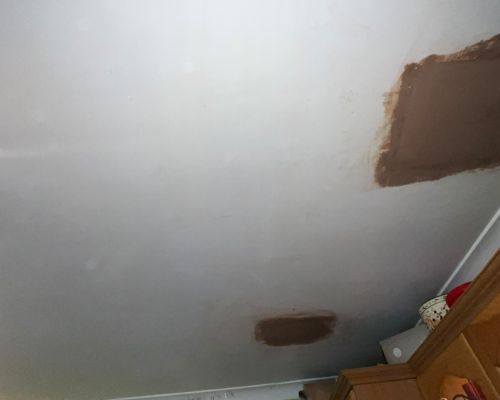
External Rendering
External Rendering: What Devon Homeowners Should Know
Thinking about having your property rendered? Here's what affects the work, the finish and the approach — explained in plain terms.
24 July 2026 · 5 min read
External rendering is one of the most effective ways to renew and protect the outside of a property. Whether your existing render is failing, you're finishing off an extension, or you simply want to refresh tired exterior walls, it's a job where the right preparation and materials make all the difference. Here's what's worth knowing before you start.
First, it helps to understand what rendering actually does. A render is a coating applied to the outside walls that creates a finished surface and forms part of the building's protection against the weather. But a render isn't just a covering — the materials and finish should suit the wall beneath. Applying the wrong render over an incompatible substrate can lead to cracking, moisture problems and a finish that doesn't last.
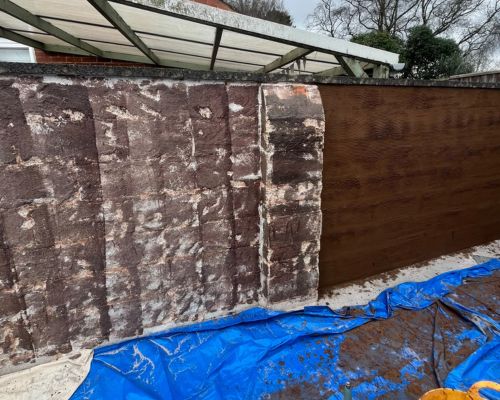
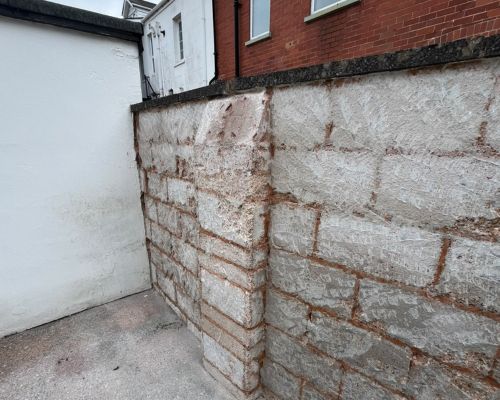
The existing condition of the wall is the starting point for any rendering job. If there's old render in place, it needs assessing — is it sound enough to render over, or does it need removing? Loose, cracked or hollow render won't provide a stable base for a new coat, and covering it up simply hides a problem that will reappear. An on-site assessment establishes the condition and whether any underlying problems need resolving first.
The choice of finish is another consideration. Traditional renders can be finished in different ways, from smooth to textured, and the appearance you want plays a part in the decision. But so does the building itself — the substrate, the age of the property and the surrounding architecture all influence what's appropriate. For older, traditional properties, lime render is often the suitable choice for the same breathability reasons as lime plaster, while more modern construction can suit different render systems.
Access and weather are practical factors that affect how the work is planned. Rendering needs suitable conditions — the materials behave differently in very hot, cold or wet weather, and the work has to be timed around that. Access scaffolding or equipment may be needed depending on the height and layout of the walls. All of this is discussed and agreed during the quote, so you know what the work involves before it begins.
Finally, aftercare matters. A new render needs time to cure properly, and the right approach to drying and any sealing or decorating depends on the materials used. Josh and the team will explain the aftercare specific to your project once the work is complete, so the finish performs as it should for years to come.
If you're considering external rendering for your property, the best first step is an on-site assessment. We offer free quotes across Exeter and the surrounding Devon towns — get in touch and we'll talk through the condition of your walls, the finish you're after, and the right approach for your building.
Need plastering work done?
Josh and the team offer free on-site quotes across Exeter and the surrounding Devon towns. Get in touch to discuss your project.
Testimonials & Feedback
What Our Customers Have to Say
Verified 5.0 Google rating from homeowners across Exeter & Devon
Serving Exeter, Exmouth, Newton Abbot, Tiverton, Honiton, Sidmouth, Teignmouth and Crediton.
Tell us about your project
A better finish starts with a conversation.
Tell us what needs doing and where your property is. Josh and the team offer free on-site quotes.